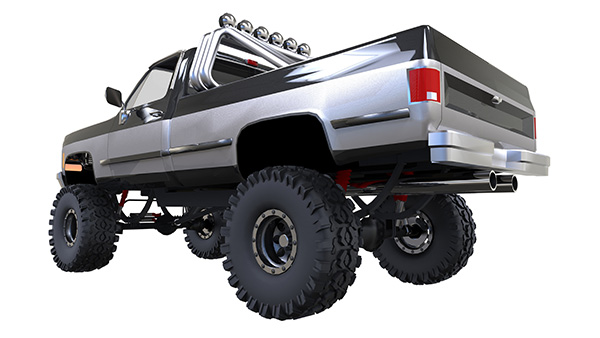
Diesel trucks and heavy-duty vehicles are built to work hard, but they are not built to be ignored. The same strength that makes them useful for towing, hauling, and a long service life can also mask early signs of wear. A diesel may keep pulling, starting, and driving even as a problem builds in the background.
The repair bills tend to grow when those early clues get pushed aside. Diesel systems run under high pressure, high heat, and heavy load, so small changes deserve attention before they turn into downtime.
Fuel System Problems
Diesel fuel systems have to be clean and precise. Injectors, fuel pumps, filters, and high-pressure lines all play a role in getting the right amount of fuel into the engine at the right time. When something goes wrong, the truck can lose power, smoke more than normal, start harder, or feel sluggish under load.
Contaminated fuel is a major concern. Water, dirt, or poor-quality fuel can damage injectors and pumps faster than many drivers expect. A clogged fuel filter can also starve the engine, especially when towing or accelerating. Regular maintenance helps protect the fuel system before a single bad filter or a weak injector starts affecting the rest of the engine.
Turbocharger Wear And Boost Issues
Many diesel trucks rely on turbochargers to create the power drivers expect. The turbo forces more air into the engine, which helps the diesel burn fuel efficiently and produce strong torque. When the turbo system starts failing, the truck may feel weak, smoke more, or develop a whining sound that wasn't there before.
Boost leaks can cause similar complaints. A cracked hose, loose clamp, worn intercooler boot, or damaged charge pipe can rob the engine of air pressure. The truck may still run, but it will not pull the way it should. If the turbo itself is failing, oil leaks, shaft wear, and heat damage can make the repair more serious.
EGR And DPF System Trouble
Emissions systems are a common source of diesel repair complaints, especially on newer trucks. The EGR system routes some exhaust gases back into the engine to reduce emissions. Over time, carbon buildup can affect valves, coolers, and passages. That can lead to rough running, poor power, warning lights, or coolant loss if the EGR cooler fails.
The diesel particulate filter, or DPF, traps soot from the exhaust. It needs proper operating conditions to clean itself through regeneration. Short trips, long idle time, sensor faults, and engine performance problems can interrupt that process. Once the DPF is loaded, the truck may go into reduced power mode or require more involved service.
Cooling System Failures
Diesel engines generate significant heat, especially when pulling a load or working in traffic. The cooling system must remain in good condition to protect the engine, turbo, EGR cooler, and transmission. Coolant leaks, weak water pumps, clogged radiators, failing thermostats, and worn hoses can all lead to overheating.
A diesel that runs hot should not be driven like nothing is wrong. Heat can damage head gaskets, warp components, and shorten the life of expensive parts. A small coolant leak caught during an inspection is much easier to handle than an overheated engine under load.
Hard Starting And Electrical Problems
Diesel starting systems work harder than gas vehicles, especially in cold weather or after the truck has been sitting. Weak batteries, bad cable connections, failing glow plugs, relay problems, or starter wear can all cause long cranking or no-start issues. Heavy-duty vehicles may also have multiple batteries so that a weak battery can drag the whole system down.
Electrical issues can also affect sensors, fuel control, emissions systems, and charging performance. A warning light, slow crank, or repeated jump start should not be treated as a random inconvenience. Diesel diagnostics should include voltage checks, wiring condition checks, stored codes, and system testing before parts are replaced.
Oil Leaks And Fluid Contamination
Diesel engines carry more oil than many gas engines, and that oil works hard. It helps protect internal parts, turbo bearings, and high-load components that are constantly exposed to heat and pressure. Oil leaks around valve covers, oil pans, turbo lines, front covers, and seals should be checked before they lower the oil level or spread onto other parts.
Fluid contamination is another concern. Fuel in the oil, coolant in the oil, or oil in the coolant can point to a deeper issue that should be addressed quickly. Diesel engines are expensive to repair when lubrication or cooling problems go too far.
Transmission And Driveline Strain
A diesel truck’s engine may get most of the attention, but the transmission and driveline take plenty of abuse too. Towing, hauling, oversized tires, stop-and-go driving, and heavy throttle use can all wear on transmission fluid, clutches, torque converters, U-joints, differentials, and transfer case components.
Warning signs include delayed shifting, slipping, vibration, clunks, fluid leaks, or a burnt smell. These symptoms can get expensive fast if the truck keeps working under load. A diesel truck that pulls a heavy load needs the entire drivetrain checked, not just the engine.
Get Diesel Repair In Marysville, WA, With Bud's Auto Repair & Transmission
If your diesel truck is hard to start, losing power, leaking fluid, smoking, overheating, or showing warning lights, Bud's Auto Repair & Transmission in Marysville, WA, can check the system and find the cause before the repair grows.
Bring it in while the symptoms are still manageable and before a work truck turns into unwanted downtime.