Posted on 3/24/2022
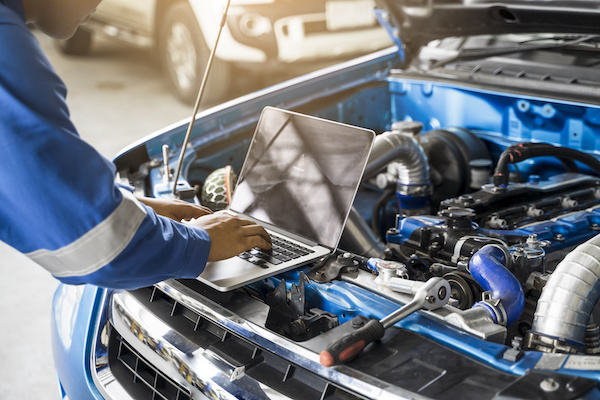
If you're currently looking to purchase a used vehicle, a pre-purchase inspection may be a service worth getting. This type of service, offered by Bud's Auto Repair & Transmission, serves to help you understand the actual condition of a pre-owned vehicle. Often, a seller will declare no issues with the car, and a pre-purchase inspection can help confirm whether their claim holds true or not. All in all, a pre-purchase inspection will help dictate whether or not the car is a good investment. Bud's Auto Repair & Transmission is your number one source for honest car services and professional pre-purchase vehicle assessments. A pre-purchase inspection will: Help you determine the value of the vehicle Uncover any underlying issues or needed repairs Identify any error codes Recognize faulty or deteriorating parts Give you an overall view of the vehicle's condition Provide you with an estimate of recommended services that the car may need in its imm ... read more
Posted on 2/25/2022
.jpeg)
Brake rotors are a crucial part of your car's braking system because they help stop the wheels when the brake pads and calipers clamp on them. Due to their nature, brake rotors need to withstand heat and dissipate it quickly so that you can use the brake pads again repeatedly. A common problem that many drivers share is uneven brake rotors, also known as brake warping. Your car ride becomes shaky and jittery when this happens, and your braking becomes less effective. You might wonder how it even happens. When exposed to excessive heat, brake rotors can warp in the following ways: The brake pads may first experience the damaging heat effects and break down. Then, its hot material will cause the rotors to glaze. Another way that rotors can become warped is if you allow your brake pads to wear down to the rotor surface. This often leads to rough and uneven patches on the rotor. To prevent your brake rotors from warping, you should be extra mindful of your braking habits. Brake too f ... read more
Posted on 1/31/2022
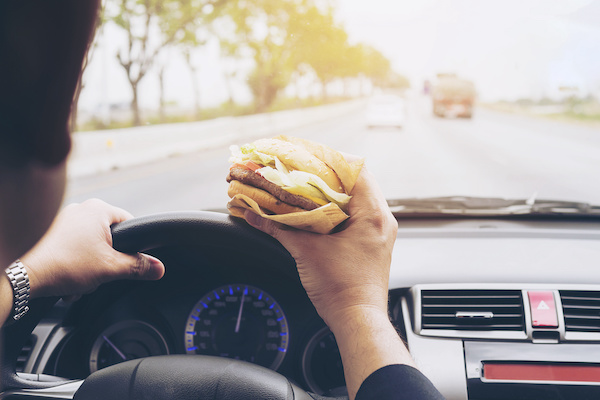
Nowadays, it's very easy to find access to food and restaurants on the road. With increased accessibility and the growing amount of fast-food establishments, people are more tempted to eat and drink during their commute. Though there's no shame in indulging in your breakfast, lunch, or dinner, you should stop doing it behind the wheel. Eating and driving have negative consequences and pose risks. Here are three reasons alone why you should stop eating in your car: Eating and Driving is a Distraction First and most importantly, eating and driving is a huge safety concern. Of course, you're going to need one hand off the steering wheel to eat, causing you to compromise control. Also, you may have to take your eyes off the road to eat. It only takes seconds away for you to hit something. In conclusion, there's no easy or safe way to eat any food while driving as it takes away your hands and eyes. Eating in a Vehicle Is Messy Eating in the car can lead to a field mine o ... read more
Posted on 12/22/2021
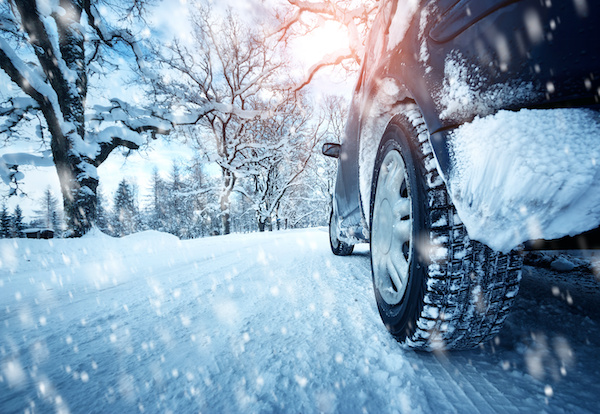
Winter tires are a widely considered option if you live in an area that receives a ton of snow during the winter months. Since it does require spending money on a new set of tires that you only use a few months of the year, you may be hesitant to make the leap. Let’s look at the benefits of winter tires and how useful they are during the winter months. Quality of the Rubber At temperatures of 7 degrees Celsius or below, the rubber in all-season and summertime tires begins to harden, significantly limiting its ability to grip the road securely. Winter tires are designed to give flexibility even in sub-zero temperatures as low as -30 degrees Celsius. Extraordinary Traction Winter tires have deeper and more widespread siping, or narrow slits cut horizontally across the surface, to provide greater movement and "bite" into ice and any snow that may be adhering to the road. A more abrasive tread pattern also decreases the possibility of ... read more
Posted on 11/29/2021
.jpeg)
We thought it would be fun to go over and debunk some common car myths. They might surprise you! Myth #1 - Premium gas is better than regular gas Unless your vehicle manufacturer requires explicitly premium gas, you don't need to get it as it won't offer you any additional benefits. It will have no impact on your vehicle performance or your engine's lifespan. Myth #2 - You need to warm up your car in the winter Thanks to improvements to modern oils and engines, newer cars don't need to be warmed up before you start operating your vehicle. While it's nice to get into a warm car on a brisk morning, it's not necessary and wastes gasoline. Myth #3 - Larger cars are safer It's easy to think that a bigger, heavier vehicle would be able to handle a car crash better than a small car. A small car can be considered less safe because of its smaller size and less weight. However, this is not the case in the 21st century, where smaller cars are equipped with the la ... read more