A/C performance usually fades in slow motion. One day it feels a little less crisp, then you notice it takes longer to cool down, and eventually the system just cannot keep up on hot afternoons. At that point it is tempting to assume the A/C simply needs more refrigerant, but refrigerant does not get used up. If the charge is low, it leaves the system somewhere.
Finding where and why it leaked is what makes the repair last.
How A Closed A/C System Loses Refrigerant
A car A/C system is meant to be sealed. The compressor moves refrigerant through the loop, and the refrigerant carries heat from the cabin to the front of the vehicle, where it can be released. The only way the system ends up low is through a leak at a seal, connection, or component.
Most leaks start small. A tiny seep can take weeks or months to show up as warm air, which is why drivers often feel like the A/C suddenly got worse. In reality, the system has been losing charge gradually and finally crossed the point where cooling strength drops noticeably.
The Most Common Leak Points Under The Hood
Many A/C leaks happen at connection points because they rely on O-rings and sealing surfaces. Those seals flatten and harden over time, especially with constant heat cycling. Service port valves can seep as well, particularly if the valve core is worn or the cap is missing or loose.
The condenser is another common leak source because it sits up front and takes impacts from road debris. A small stone can create a pinhole leak that is hard to see without proper testing. Compressors can leak at the shaft seal or case seams, and those leaks may be slow enough that they only show as declining performance over time.
Hoses, Hard Lines, And Vibration Wear
Vehicle A/C systems have flexible hoses and multiple hard lines to route refrigerant around the engine bay. Vibration and engine movement can cause a line to rub on a bracket or another component, and over time that rubbing can wear a hole. Missing clips and broken mounts make this more likely because the line moves more than it should.
Hose crimps are another area that can seep. The rubber hose meets a metal fitting, and the crimped connection can begin leaking after years of heat and pressure cycles. These leaks can be easy to miss because they may only show up under pressure when the A/C is running hard.
The Role Of Heat, Moisture, And Seal Aging
Heat is rough on A/C seals. The engine bay gets hot, then cools, then heats again, and that expansion and contraction slowly changes how seals sit. Seals can also dry out if the A/C is rarely used, which is why systems can develop leaks after long stretches of not running.
Moisture also matters because A/C systems contain oil that circulates with the refrigerant. That oil helps lubricate seals, but moisture can degrade system health over time. This is one reason regular maintenance includes checking performance before the hottest part of the year, when the system is under the most stress.
Clues That Suggest You Have A Leak
The most common sign is cooling that slowly gets weaker over weeks or months. You might notice it first at idle in traffic, then later at highway speeds. Another clue is frequent compressor cycling, since low charge can cause pressures to fall out of the range the system expects.
If you needed refrigerant last season and it is weak again now, that is a strong sign that there is an active leak. Refrigerant does not disappear on its own. Also watch for oily residue at A/C fittings or around the condenser area, because refrigerant carries oil and leak points often look slightly damp or dirty.
Why Quick Top-Offs And Stop-Leak Are A Bad Bet
A quick top-off can bring cold air back for a while, but it does not fix the leak, so the same problem returns. It can also lead to overcharging if refrigerant is added without recovering and weighing what is already in the system. Overcharging can reduce cooling and raise pressures, which stresses parts further.
Stop-leak products can create bigger issues. They can contaminate A/C service equipment and leave residue inside the system, clogging small passages and making future repairs more expensive. The better approach is leak testing, repairing the source, and charging by weight so the system runs at the correct level.
How We Find Leaks The Right Way
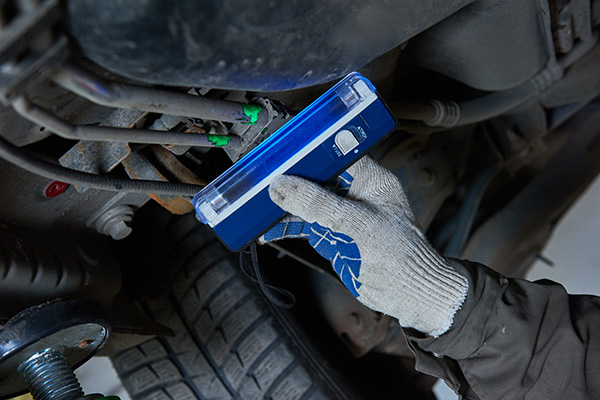
A proper leak check starts with verifying the condition of the whole system and inspecting common leak areas for oil residue. From there, we may use an electronic leak detector or UV dye to pinpoint a slow leak. We also check condenser airflow and fan operation because high pressures can aggravate leaks and reduce cooling.
An inspection includes looking at service valves, hose crimps, hard line routing, and compressor and condenser condition. Once the leak source is confirmed, the repair is targeted instead of guessing. That is how you avoid paying twice.
Get A/C Leak Repair In Marysville, WA, With Bud's Auto Repair & Transmission
If your A/C has been getting weaker or needed refrigerant more than once, Bud's Auto Repair & Transmission in Marysville, WA, can find the leak, repair it properly, and recharge the system to the correct specification. We will also check airflow and system pressures to make sure you get strong, consistent cooling after the repair.
Schedule a visit and get your cold air back before the next warm week hits.