Posted on 5/29/2026
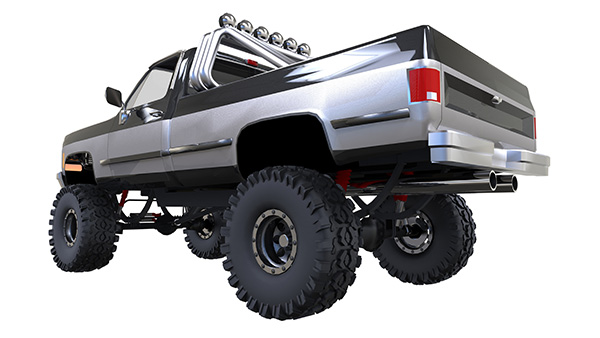
Diesel trucks and heavy-duty vehicles are built to work hard, but they are not built to be ignored. The same strength that makes them useful for towing, hauling, and a long service life can also mask early signs of wear. A diesel may keep pulling, starting, and driving even as a problem builds in the background. The repair bills tend to grow when those early clues get pushed aside. Diesel systems run under high pressure, high heat, and heavy load, so small changes deserve attention before they turn into downtime. Fuel System Problems Diesel fuel systems have to be clean and precise. Injectors, fuel pumps, filters, and high-pressure lines all play a role in getting the right amount of fuel into the engine at the right time. When something goes wrong, the truck can lose power, smoke more than normal, start harder, or feel sluggish under load. Contaminated fuel is a major concern. Water, dirt, or poor-quality fuel can damage injectors and pumps faster than many driver ... read more
Posted on 4/30/2026
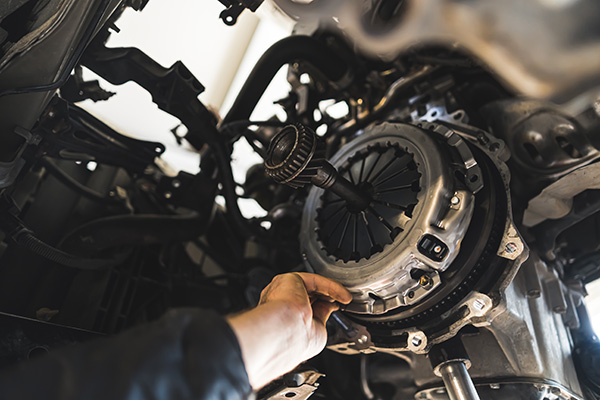
Transmission shudder can feel alarming the first time it happens. The vehicle may vibrate during acceleration, shake at certain speeds, or feel like it is slipping slightly before catching again. Many drivers immediately assume the transmission is failing or that a clutch replacement is unavoidable. That is not always the case. Shudders can come from several different causes, and not all of them point directly to major internal damage. What Transmission Shudder Feels Like Shudder usually appears as a vibration or shaking sensation when the vehicle is accelerating or shifting gears. It can feel like driving over a rough patch of road, even when the pavement is smooth. In some vehicles, it happens at specific speeds or during light throttle. The feeling can come and go, which makes it harder to take it seriously at first. That inconsistency is one reason many drivers wait longer than they should before getting it checked. When It Actually Points To Clutch Pr ... read more
Posted on 3/27/2026
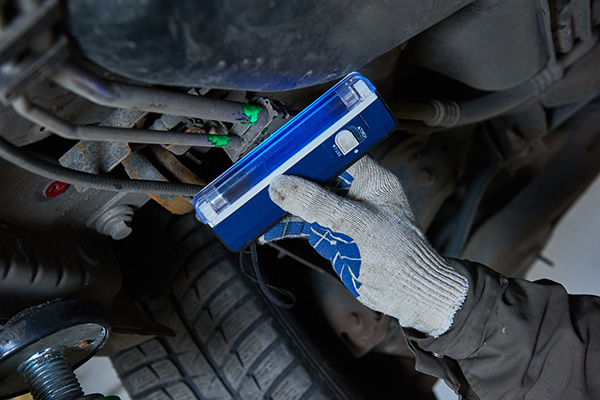
A/C performance usually fades in slow motion. One day it feels a little less crisp, then you notice it takes longer to cool down, and eventually the system just cannot keep up on hot afternoons. At that point it is tempting to assume the A/C simply needs more refrigerant, but refrigerant does not get used up. If the charge is low, it leaves the system somewhere. Finding where and why it leaked is what makes the repair last. How A Closed A/C System Loses Refrigerant A car A/C system is meant to be sealed. The compressor moves refrigerant through the loop, and the refrigerant carries heat from the cabin to the front of the vehicle, where it can be released. The only way the system ends up low is through a leak at a seal, connection, or component. Most leaks start small. A tiny seep can take weeks or months to show up as warm air, which is why drivers often feel like the A/C suddenly got worse. In reality, the system has been losing charge gradually and finally crosse ... read more
Posted on 2/27/2026

Transmission hesitation can feel subtle at first. You press the pedal to merge or pull out into traffic, and there is a short pause before the car actually picks up speed. Some drivers describe it as a delay, a sudden RPM spike, or a moment when the vehicle seems unsure which gear it wants. That hesitation is your clue that something in the shifting process is not happening as cleanly as it should. What Transmission Hesitation Feels Like On The Road Not every hesitation feels the same, which is why it helps to notice the details. Sometimes the engine revs up, but the vehicle doesn't accelerate right away, then it catches. Other times the car lugs for a second, then downshifts late and feels jumpy. You might notice it more when you accelerate from 20 to 40 mph, or when you roll into the throttle on a slight hill. It can also show up as a brief shudder right as the gear change happens. If the symptom is repeatable in the same situations, that usually means it is ... read more
Posted on 1/30/2026
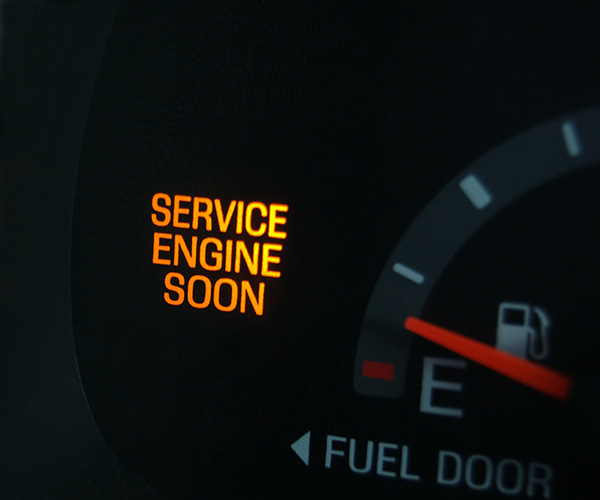
When a car suddenly feels weak, like it lost half its power, it’s easy to think something major just broke. Sometimes it did, but a lot of the time, the vehicle is doing it on purpose. Limp mode is basically your car’s way of saying it detected a condition it doesn’t trust, so it’s limiting power to protect the engine, transmission, or emissions system. It can feel dramatic from the driver’s seat, even when the original trigger is something fairly fixable. What Limp Mode Is Trying To Prevent Limp mode is a protection strategy. The computer sees data that suggests the engine or transmission could be damaged if you keep driving normally, so it reduces power, limits RPM, changes shift behavior, or disables certain functions. It’s not annoying just for fun. It’s trying to keep a small fault from turning into an expensive failure. One reason this surprises people is that the car can still run smoothly while making less power. You ... read more